
Swingndig.com
You bought a good detector. You’re still only finding pull tabs.
Here’s why, and what actually fixes it.
A detector’s spec sheet doesn’t tell you where old coins, relics, and lost jewelry actually end up, or which pieces of land you’re legally allowed to search in the first place. This site exists for the gap between owning good equipment and actually finding something worth digging: real depth numbers with real conditions attached, machines picked by what you’re hunting for, and land research most detectorists never learn.
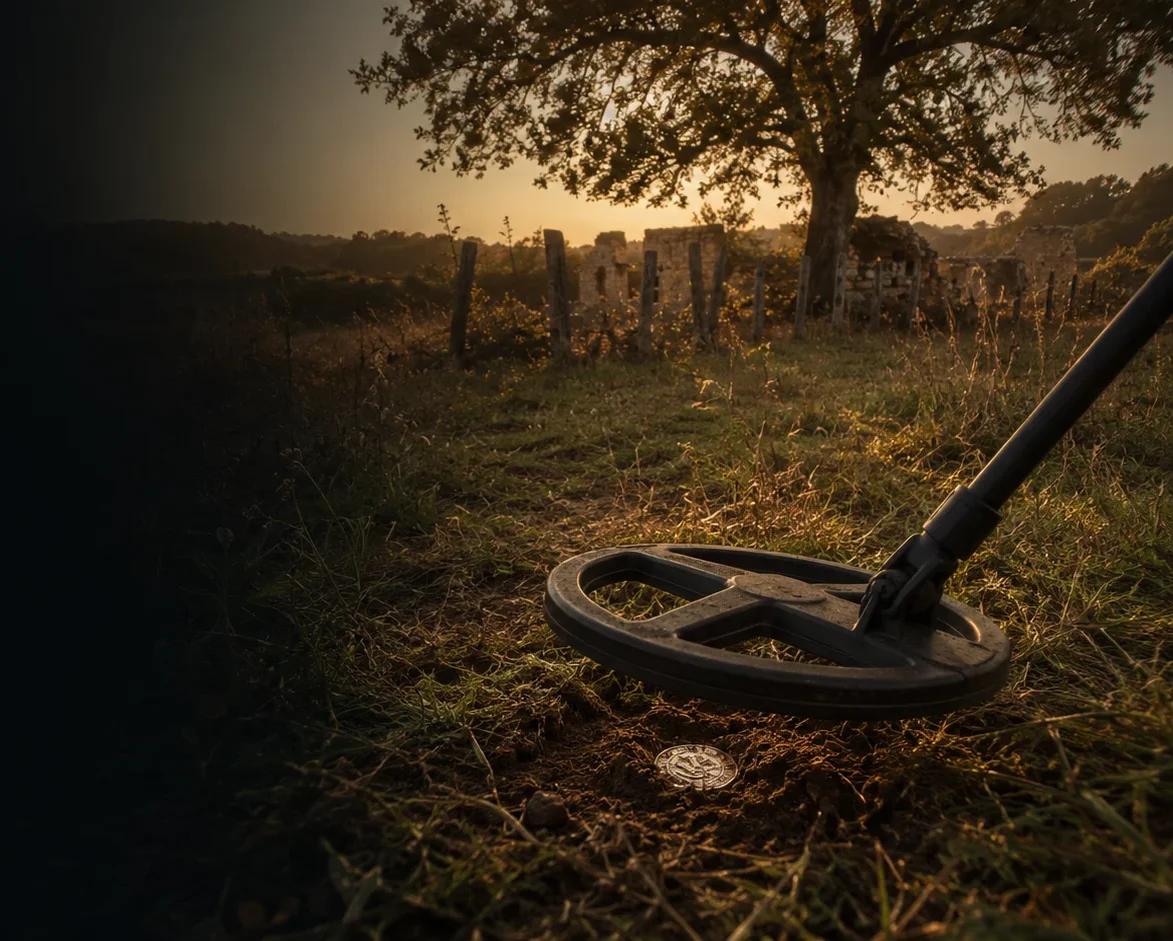
Where to Start
Understand it, buy right, hunt smarter, know where to dig
Those are four separate skills, not one. Someone can understand every spec on a detector’s box and still swing over ground that was never going to produce anything, or own the right machine and dig up nothing but trash because their technique or settings are off. Each pillar covers one stage in full.
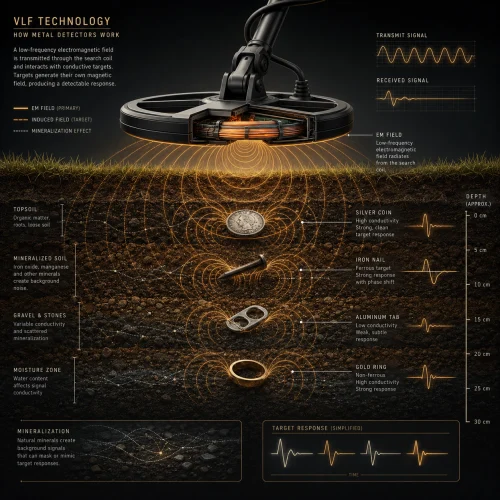
How Metal Detectors Work: VLF, PI, and What the Spec Sheet Actually Means
Two detectors can list nearly identical specs and behave completely differently the moment you take them into wet sand or heavily mineralized soil. This pillar covers detector technology types, what specs like frequency and discrimination actually control, and how depth claims change once you factor in target size and real ground conditions.
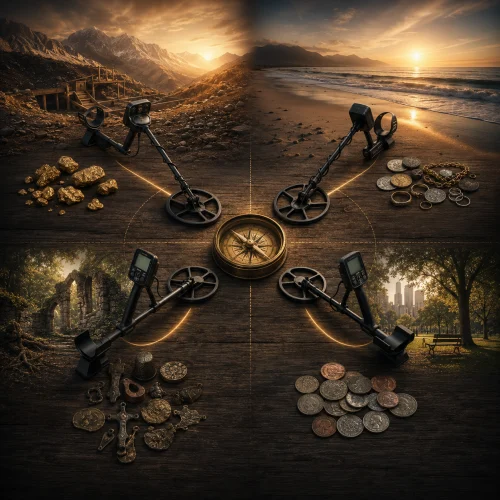
Best Metal Detectors: How to Choose by What You’re Actually Hunting For
The most common mistake I see is someone buying whatever detector has the most reviews, then finding out it’s the wrong tool entirely once they hit wet beach sand or start chasing gold instead of coins. This pillar covers detector selection for gold, beach, beginners, and kids, matched to what you’re actually trying to find, not a generic “best overall” list.
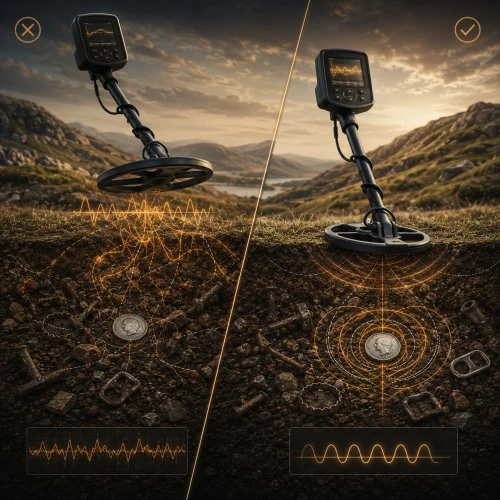
Metal Detecting Tips: Settings, Swing Technique, and Fixing a Detector That Won’t Behave
A detector set up wrong will bury good targets under false signals and trash discrimination errors, and no amount of expensive equipment fixes a swing technique that’s inconsistent. This pillar breaks down ground balance and settings by soil type, swing technique that actually improves what you dig, and troubleshooting for a machine that seems to have stopped working right.
Where to Go Metal Detecting: Plat Maps, Permission, and the Rules Most Detectorists Get Wrong
Most people in this hobby buy the machine first and figure out where to use it second, then wonder why every hunt turns up the same handful of clad coins. This pillar covers reading plat maps and old land records to find real prospects, asking for permission the right way, hunting public parks and beaches legally, and what federal land rules like ARPA actually restrict.

Browse by Topic
Already know what’s bugging you?
Skip the pillars and go straight to the stage you’re stuck on right now.
Detector Basics
Trying to understand detector technology and specs before you spend a dime, or make sense of a depth claim that sounds too good to be true.
Buying a Detector
Ready to buy but not sure which one. Gold, beach, beginner, or a machine for a kid, matched to what you’re actually going after.
Technique and Troubleshooting
Detector’s in hand, results aren’t there yet. Settings, swing technique, and fixing a machine that’s giving you false signals.
Where to Dig
Parks, beaches, private land, and the research that actually finds a productive spot instead of ground everyone else already hunted.
Blog
Field notes and honest opinions from Scott’s years reading land records and swinging a coil, the patterns no buying guide mentions.