Metal Detector Ground Balance Explained: What Happens Without It and How the Four Types Differ
Metal Detector Ground Balance Explained

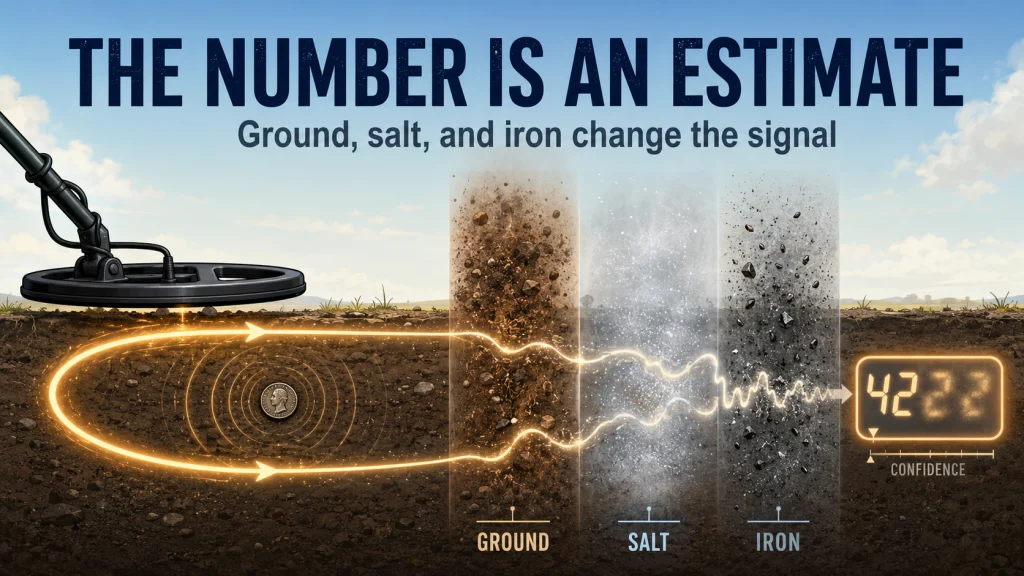
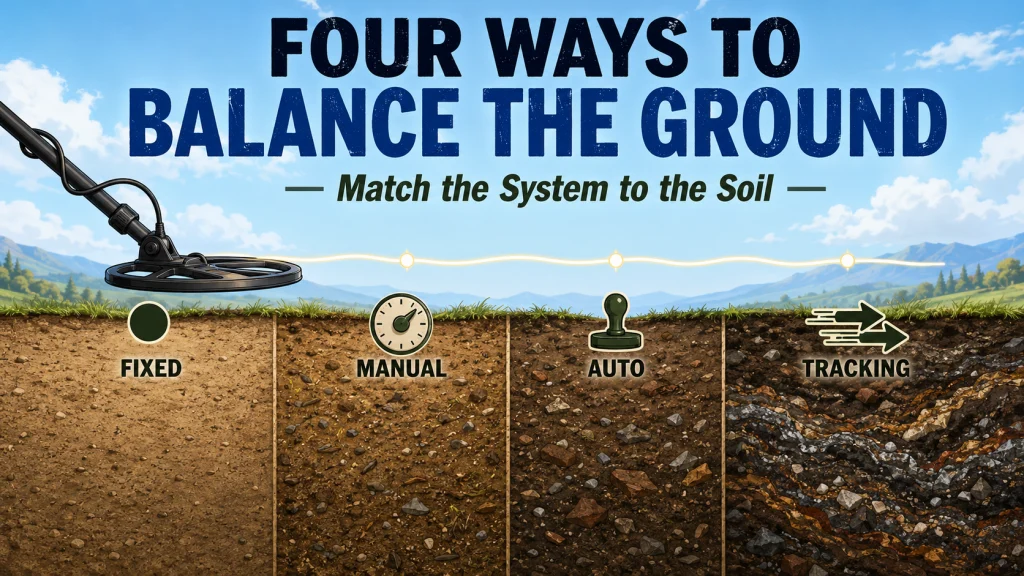
Ground balance helps a detector reduce the broad response from mineralized soil or conductive ground so a real target signal remains usable. Fixed, manual, automatic, and tracking systems solve that problem in different ways, and none is automatically best for every detectorist or every site. Beach, salt, gold, and other dedicated modes may also change … Read more
Metal Detector Frequency Explained: What kHz Actually Controls and Why Higher Is Not Always Better

Metal Detector Frequency Explained

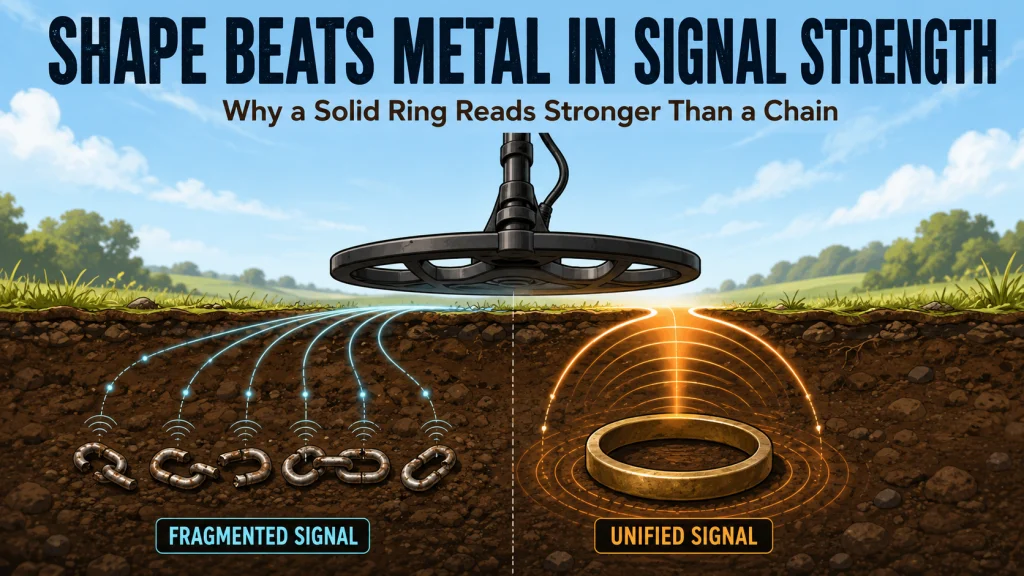
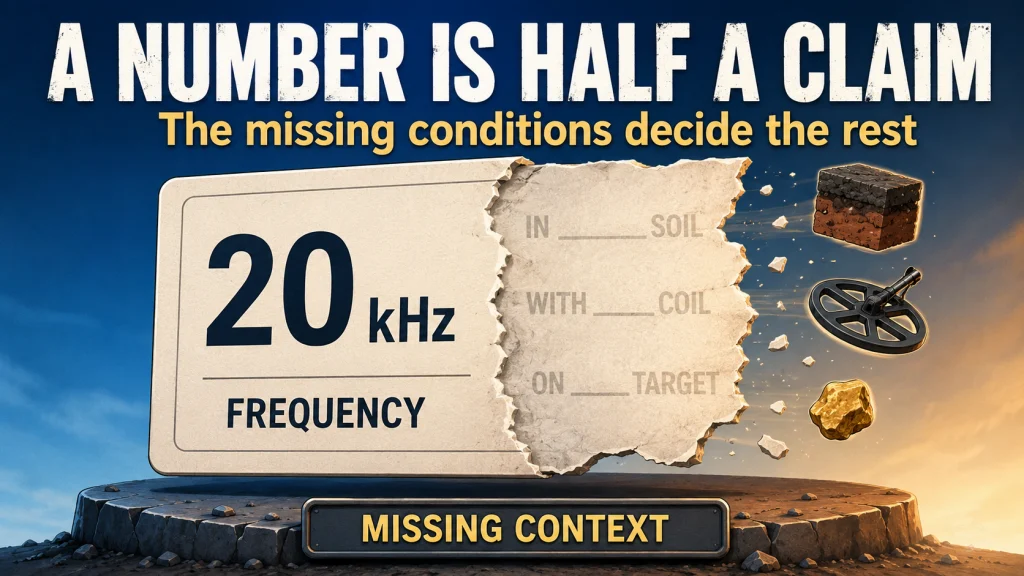
A detector’s operating frequency influences how strongly it responds to different target sizes, shapes, conductivities, and ground conditions, but the kHz number cannot predict performance by itself. Higher-frequency implementations often respond well to very small or low-conductivity targets, while lower-frequency implementations may favor larger or higher-conductivity targets, yet coil design, recovery behavior, filtering, ground handling, … Read more

Metal Detector Specs Explained: How to Read a Product Page Without Being Misled

Metal Detector Specs Explained

A metal detector product page can list frequency, sensitivity levels, target ID numbers, ground balance options, waterproof ratings, and several search modes without telling you how the machine will behave in your soil. The useful question is not which detector has the longest specification list, but what each control changes and what conditions are missing … Read more

Multi-Frequency Metal Detector Explained: What It Actually Adds and Who Actually Needs It

Multi Frequency Metal Detector Explained

Multi-frequency is not one standardized detector technology. Some machines let you choose one operating frequency at a time, while others process more than one frequency within the same search mode, and those two designs solve different problems. The practical value depends on the ground, the target mix, the search mode, and the quality of the … Read more

PI Metal Detector Explained: When Pulse Induction Outperforms VLF and When It Does Not

Pi Metal Detector Explained

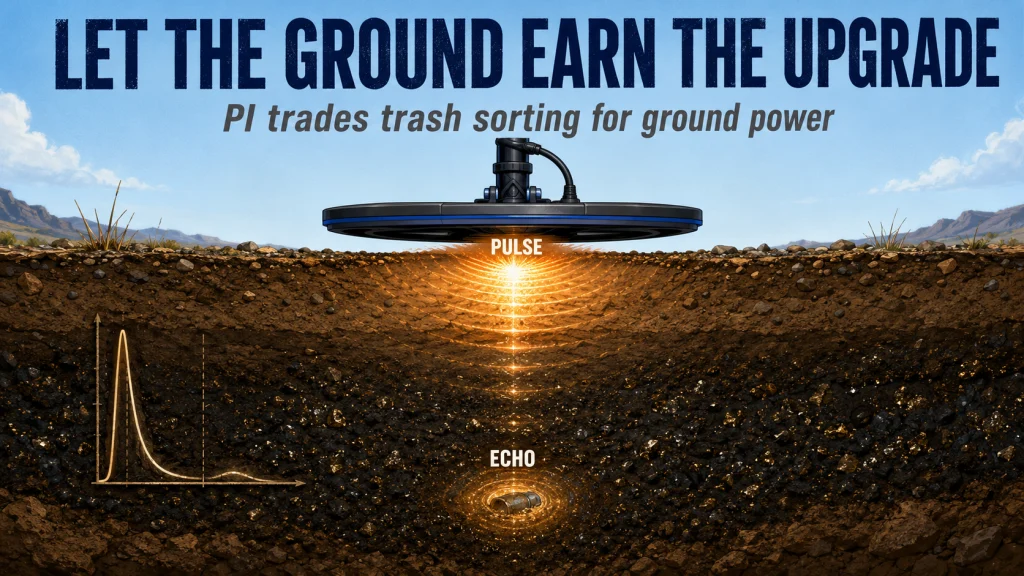
A pulse induction detector can be the right tool when mineralized soil, conductive wet sand, or a deep all-metal search overwhelms a more conventional machine. It is not automatically deeper, quieter, or better in every location, and its reduced target information can turn a trash-heavy site into a long day of digging. The useful decision … Read more

VLF Metal Detector Explained: How It Works, Where It Excels, and Where It Fails

Vlf Metal Detector Explained

A single-frequency VLF detector remains a practical choice because it can combine useful target information, discrimination, manageable weight, and efficient battery use without forcing every beginner into a more complex system. It works by transmitting a continuous electromagnetic field, measuring the target’s returned response, and estimating what that response is likely to represent. The strength … Read more

Metal Detector Technology Types: VLF, PI, and Multi-Frequency Explained for the Field

Metal Detector Technology Types

The main hobby detector technologies are single-frequency VLF, pulse induction, and simultaneous multi-frequency, but none is automatically best. The useful choice depends on the target, soil, conductive salt, trash density, discrimination needs, physical fit, and budget. I treat the technology label as the beginning of the decision, not the answer. By the end, you should … Read more