Best Metal Detectors for Saltwater Beach: Choosing for Wet Sand, Surf, and Conductive Salt
Best Metal Detectors For Saltwater Beach

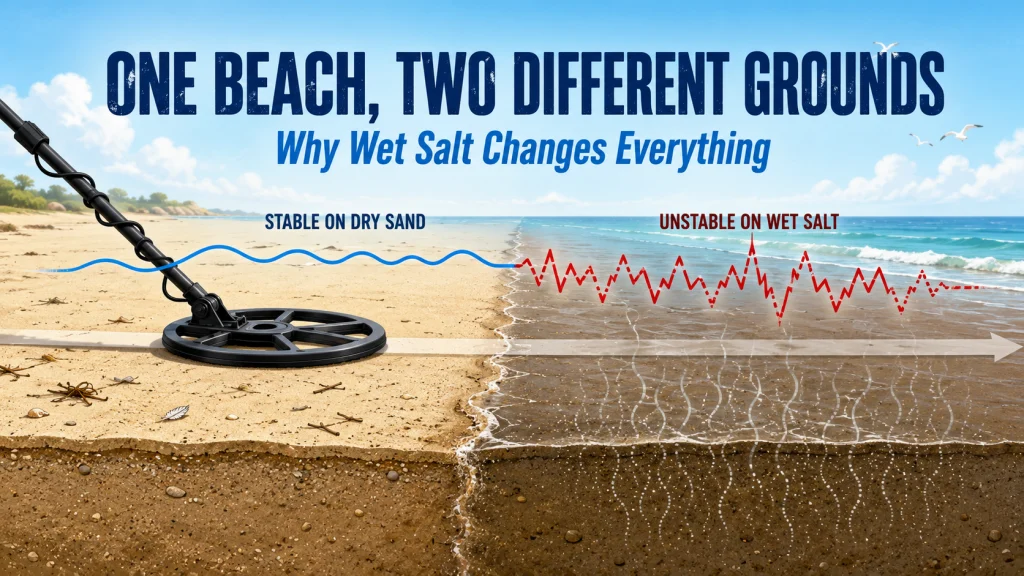
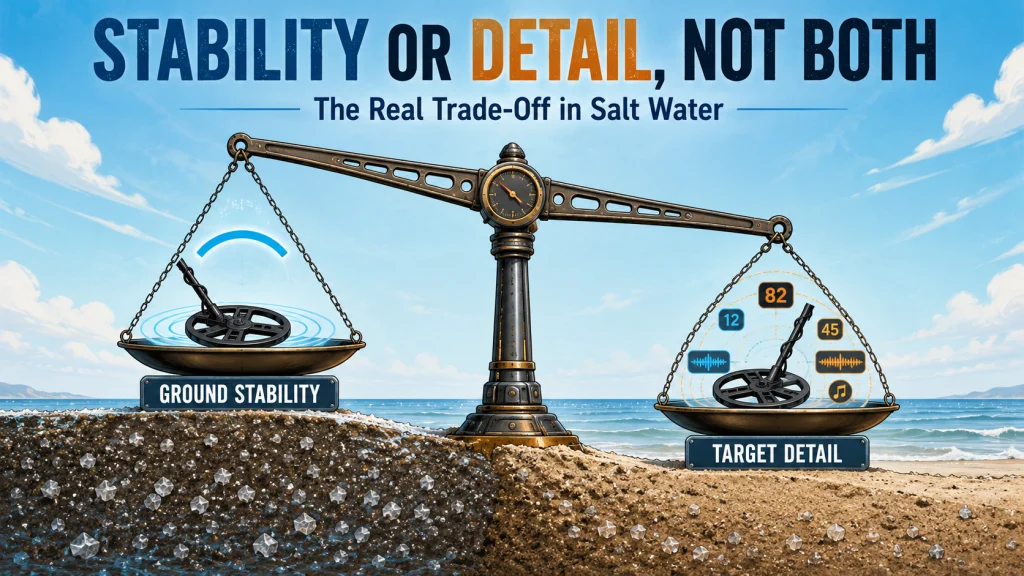
The best metal detectors for saltwater beach hunting are the ones that remain usable in the exact zone you plan to search, not merely the ones labeled waterproof or beach-ready. Dry sand, the wet line, black sand, breaking surf, and submerged saltwater create different demands, so a machine that behaves well in a park or … Read more
Metal Detector Ground Balance Explained: What Happens Without It and How the Four Types Differ

Metal Detector Ground Balance Explained

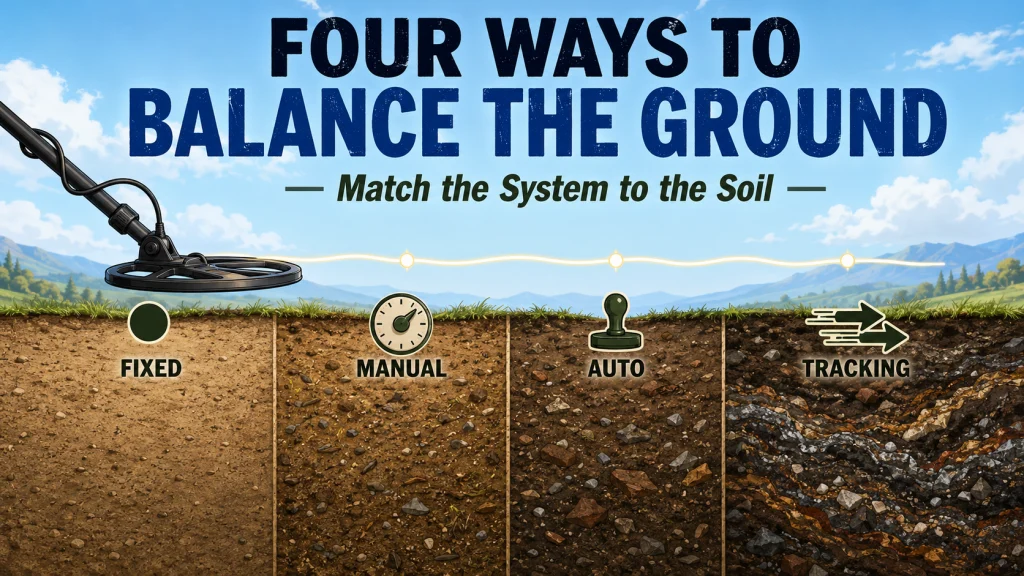
Ground balance helps a detector reduce the broad response from mineralized soil or conductive ground so a real target signal remains usable. Fixed, manual, automatic, and tracking systems solve that problem in different ways, and none is automatically best for every detectorist or every site. Beach, salt, gold, and other dedicated modes may also change … Read more

Metal Detecting Public Beaches: Identify the Manager and Confirm the Approved Zone

Metal Detecting Public Beach Access

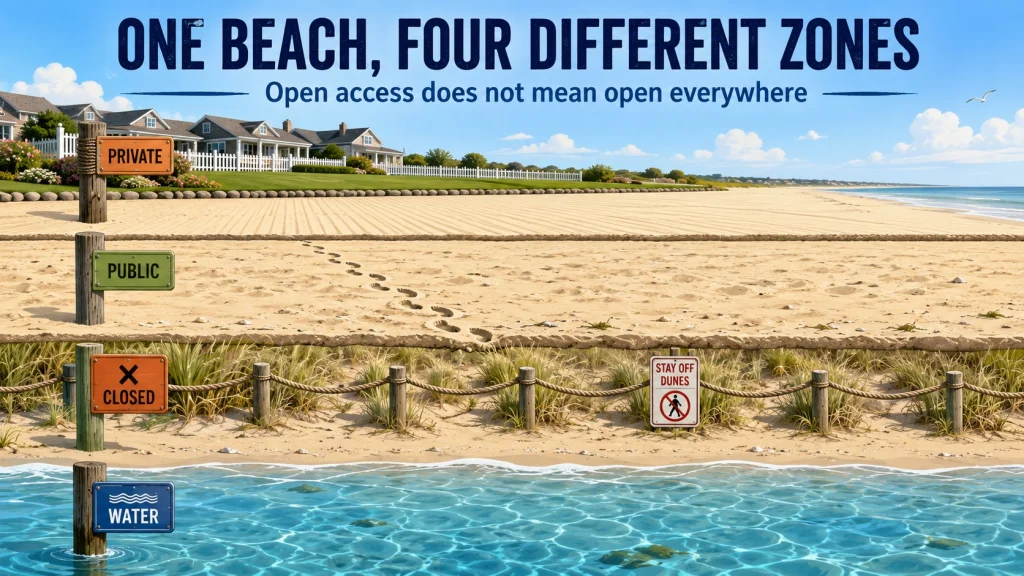
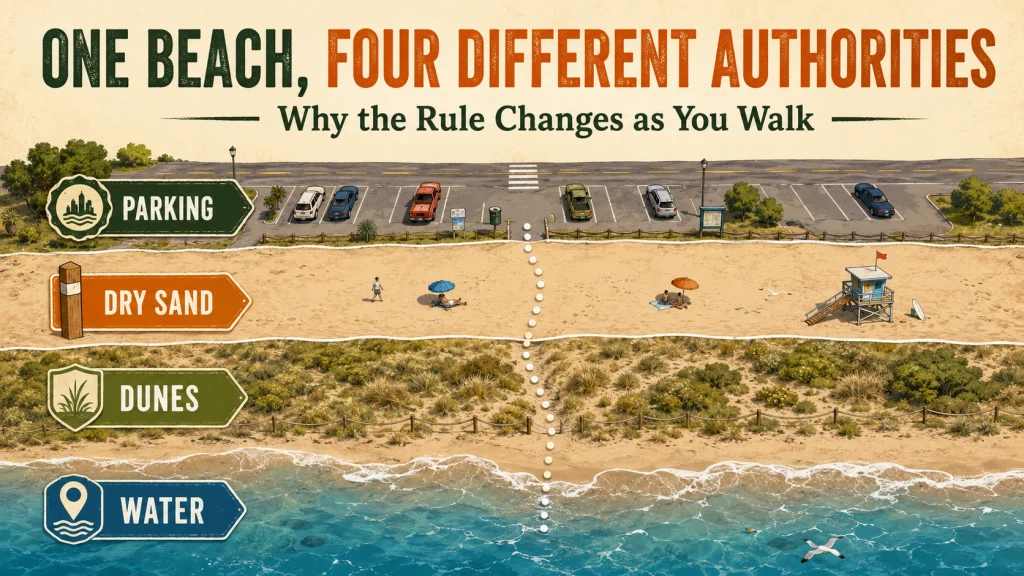
Public access to a beach tells you where you may enter, not whether you may use a detector, dig, wade, or keep what you find. The safe way to verify a hunt is to identify the actual manager, locate the controlling rule, and confirm the exact approved zone before you arrive. I treat the beach … Read more

Metal Detector Coil Height and Sweep Speed: Keep the Coil Controlled and Level

Metal Detector Coil Height And Swing Speed

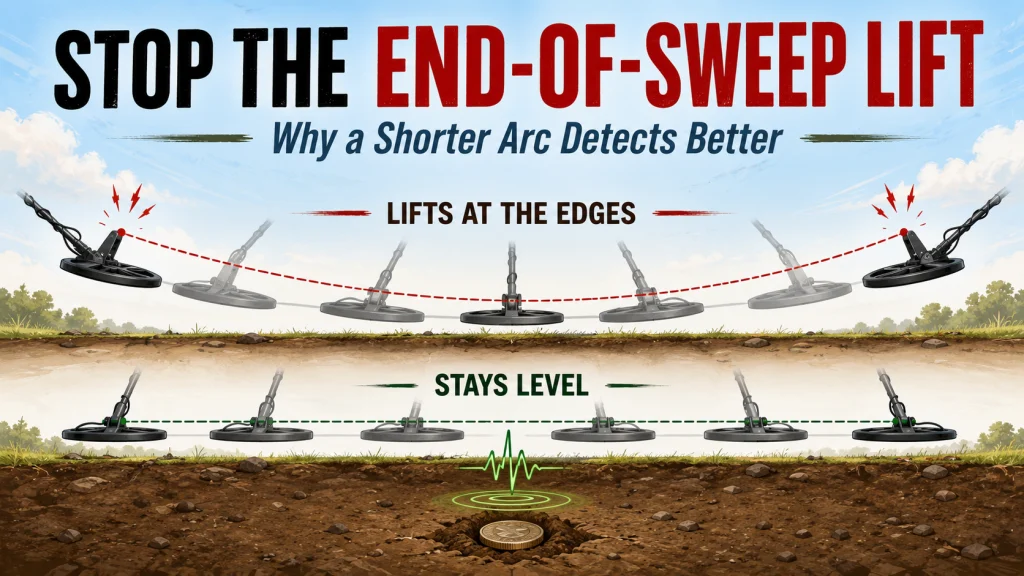
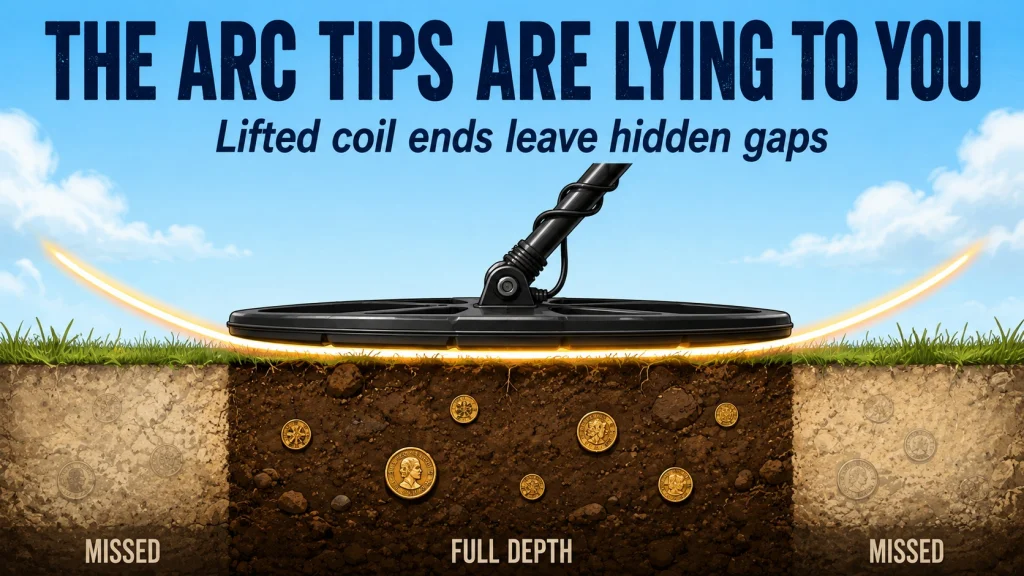
Metal detector coil height and swing speed work best when they are controlled and repeatable, not when they follow one universal height or pace. Set the detector to your body first, keep the coil close and approximately parallel to the local surface, then use the sweep speed recommended for your machine or search program as … Read more

Best Metal Detectors for Beach: Match the Machine to Sand, Salt, Surf, and Water Depth

Best Metal Detectors For Beach

The best metal detectors for beach use are not chosen by the word “beach” on a product page. Dry sand, wet salt, black sand, freshwater, surf, and diving each create a different problem for the detector and for the person carrying it. I narrow the choice by salinity, mineralization, the deepest component that will enter … Read more

Metal Detector Frequency Explained: What kHz Actually Controls and Why Higher Is Not Always Better

Metal Detector Frequency Explained

A detector’s operating frequency influences how strongly it responds to different target sizes, shapes, conductivities, and ground conditions, but the kHz number cannot predict performance by itself. Higher-frequency implementations often respond well to very small or low-conductivity targets, while lower-frequency implementations may favor larger or higher-conductivity targets, yet coil design, recovery behavior, filtering, ground handling, … Read more

Metal Detecting on the Beach: Check the Manager, Approved Zone, Boundaries, and Conditions

Metal Detecting On The Beach

Metal detecting on the beach is legal only when the exact manager, parcel, approved zone, activity, and current conditions all permit it. A beach can be open to the public while detector possession, operation, probing, digging, dune entry, water entry, or object removal remains restricted. The wettest visible sand is not automatically a property boundary, … Read more

Metal Detecting Swing Technique: Coil Control, Ground Coverage, and Pinpointing

Metal Detecting Swing Technique

Correct settings cannot recover a target the coil never passes over correctly. A useful swing keeps the coil controlled, joins individual passes into accountable coverage, and narrows a response before the digging tool touches the soil. The motion has to match detector fit, coil shape, terrain, target density, and the response speed of the machine. … Read more

Best Metal Detectors for Gold Under $500: What the Budget Can and Cannot Buy

Best Metal Detectors For Gold Under 500 Dollars

A budget below 500 dollars can buy a capable general-purpose detector for lost gold rings, chains, and other jewelry, but that does not make it a dedicated natural-gold prospecting machine. The useful choice depends on whether the target is jewelry in parks, freshwater, or beach sand, or small nuggets in mineralized gold country. Current price … Read more

Metal Detector Specs Explained: How to Read a Product Page Without Being Misled

Metal Detector Specs Explained

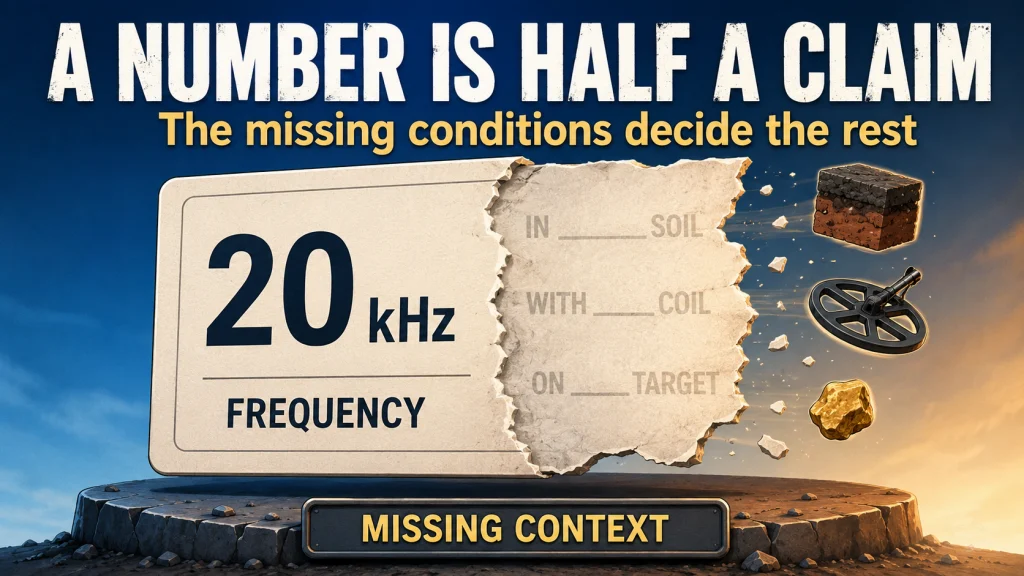
A metal detector product page can list frequency, sensitivity levels, target ID numbers, ground balance options, waterproof ratings, and several search modes without telling you how the machine will behave in your soil. The useful question is not which detector has the longest specification list, but what each control changes and what conditions are missing … Read more

Metal Detecting Federal Land Restrictions: NPS Rules, Reclamation Lands, and ARPA

Metal Detecting Federal Land Restrictions

Metal detecting federal land restrictions depend first on who manages the exact parcel and then on what resource you intend to search for, disturb, or remove. National Park Service areas and Bureau of Reclamation lands have rules that can prohibit even possessing a usable detector, while ARPA protects qualifying archaeological resources on federal public lands … Read more

Metal Detector Recovery Speed Explained: Balance Separation, Signal Strength, and Stability

Metal Detector Recovery Speed Explained

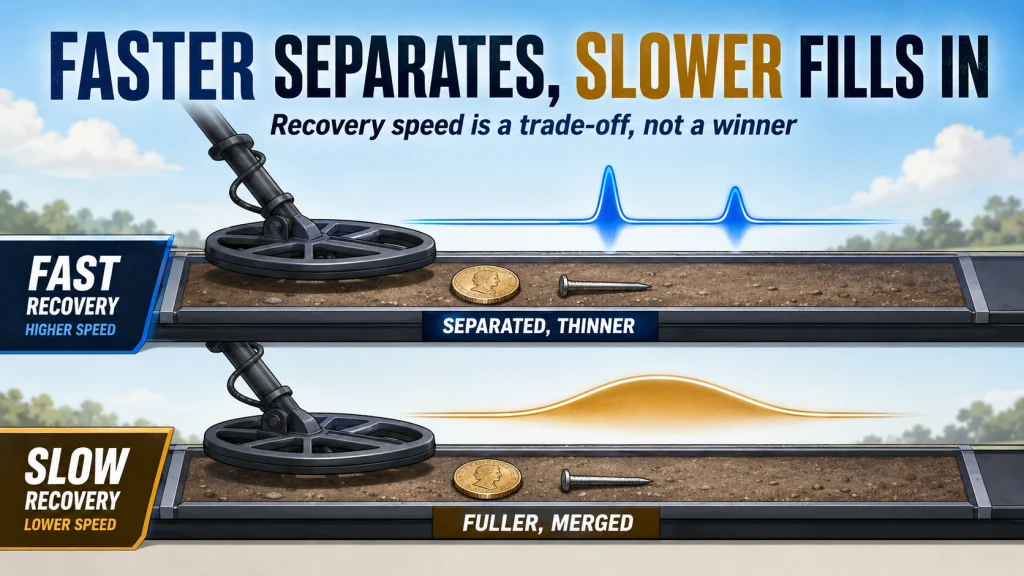
Metal detector recovery speed controls how quickly the machine can finish processing one response and become ready to report the next, but faster is not automatically better in trash and slower is not automatically deeper in clean ground. The correct setting depends on target spacing, signal strength, sweep speed, coil footprint, mineralization, and the way … Read more