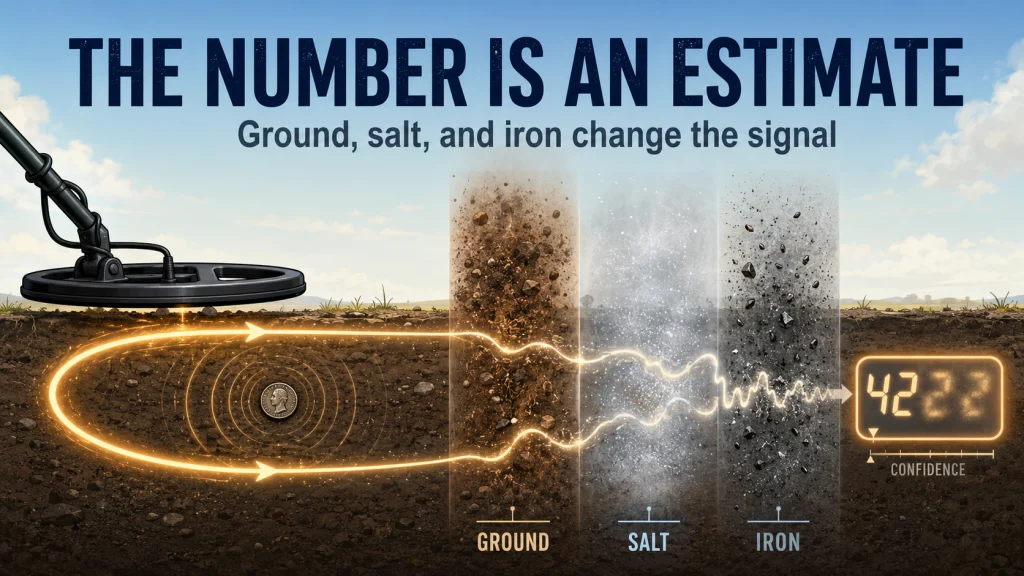
Metal Detector Specs Explained: How to Read a Product Page Without Being Misled
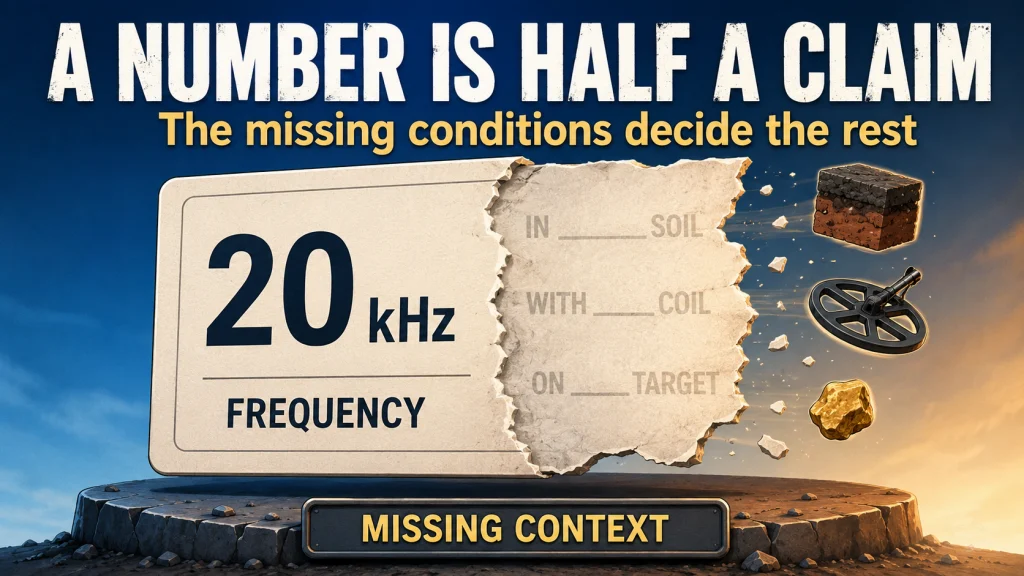
Metal Detector Specs Explained

A metal detector product page can list frequency, sensitivity levels, target ID numbers, ground balance options, waterproof ratings, and several search modes without telling you how the machine will behave in your soil. The useful question is not which detector has the longest specification list, but what each control changes and what conditions are missing … Read more

Metal Detector Discrimination Settings and Target Tones: Decide What to Hear and Dig

Metal Detector Discrimination Settings

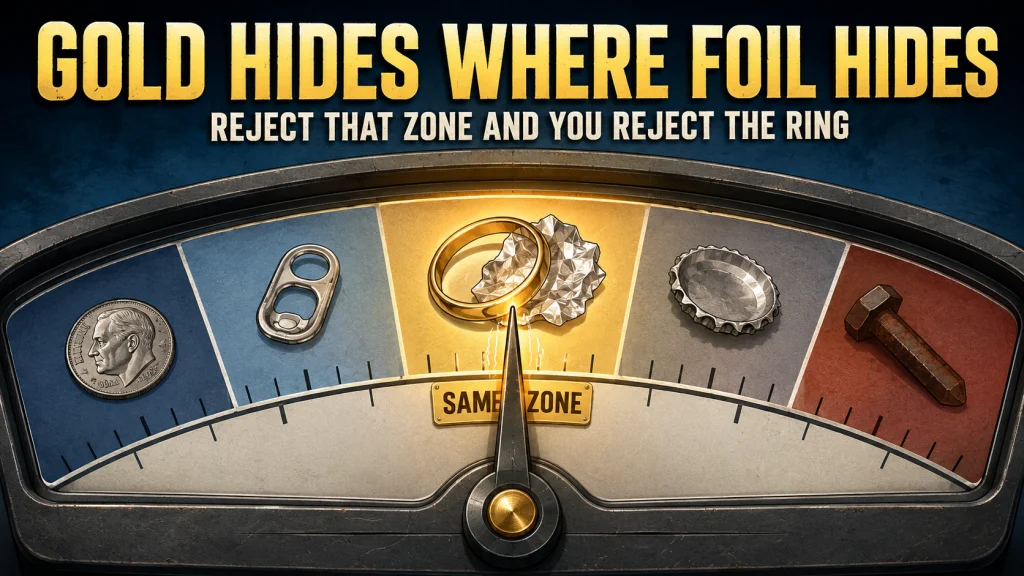
Discrimination should remove only the responses that interfere with a specific hunt, not every signal that resembles trash. Start with a minimally restrictive setup, learn how your detector divides Target ID and audio, then test local targets before rejecting another region. Treat the screen and tone as separate clues, and cross-sweep before deciding. This reduces … Read more

Best Metal Detectors for Gold Jewelry: Choosing for Trash, Parks, Beaches, and Water

Best Metal Detectors For Gold Jewelry

The best metal detectors for gold jewelry are not the machines that promise to identify gold with certainty. Gold rings, earrings, chains, and bracelets can overlap foil, pull tabs, bottle-cap fragments, and other aluminum, so successful jewelry hunting still requires uncertain digs. Choose the detector class by the site first: inland trash, dry sand, conductive … Read more

VLF Metal Detector Explained: How It Works, Where It Excels, and Where It Fails

Vlf Metal Detector Explained

A single-frequency VLF detector remains a practical choice because it can combine useful target information, discrimination, manageable weight, and efficient battery use without forcing every beginner into a more complex system. It works by transmitting a continuous electromagnetic field, measuring the target’s returned response, and estimating what that response is likely to represent. The strength … Read more