Metal Detector Ground Balance Explained: What Happens Without It and How the Four Types Differ
Metal Detector Ground Balance Explained

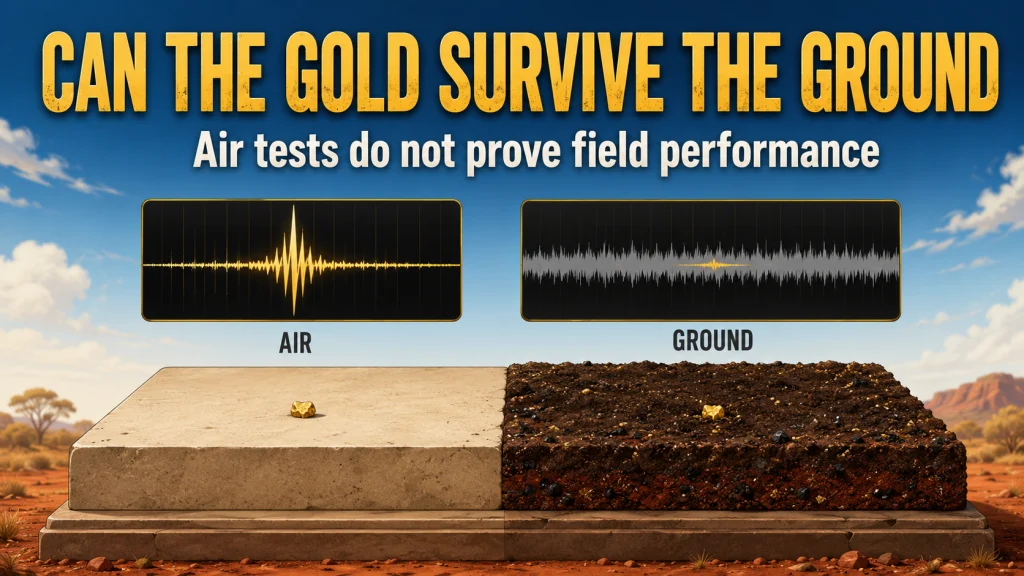
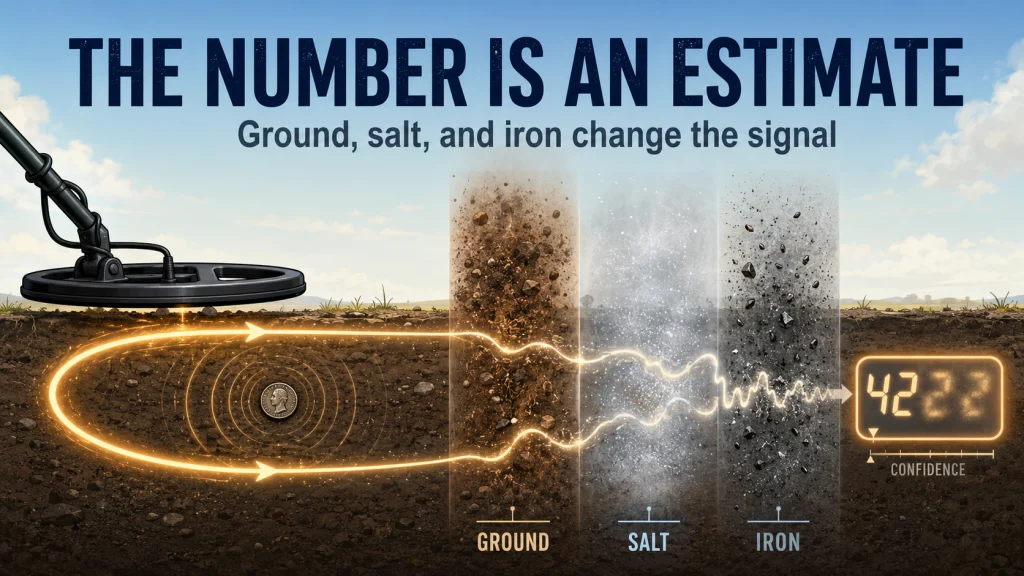
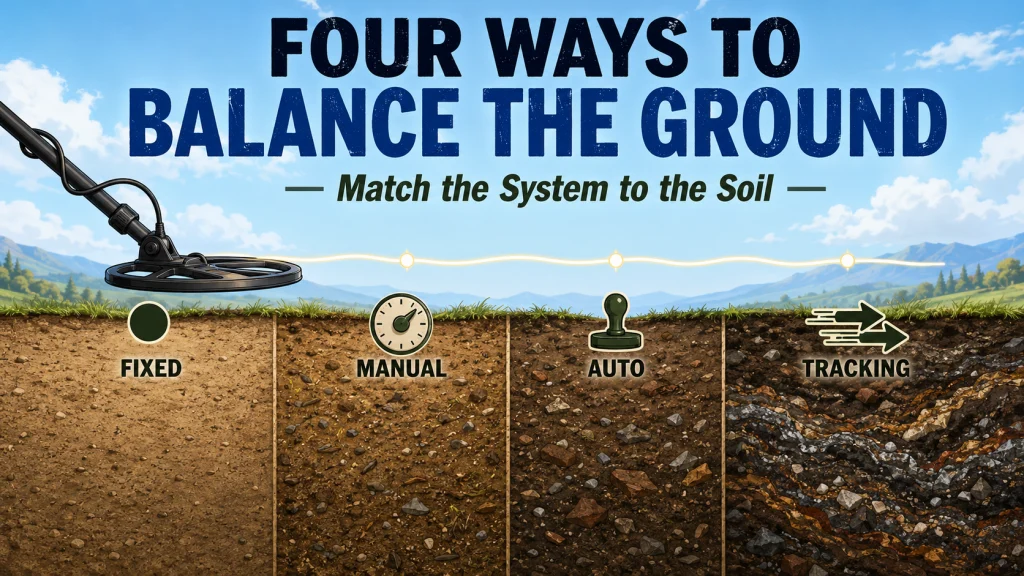
Ground balance helps a detector reduce the broad response from mineralized soil or conductive ground so a real target signal remains usable. Fixed, manual, automatic, and tracking systems solve that problem in different ways, and none is automatically best for every detectorist or every site. Beach, salt, gold, and other dedicated modes may also change … Read more
Metal Detector Specs Explained: How to Read a Product Page Without Being Misled

Metal Detector Specs Explained

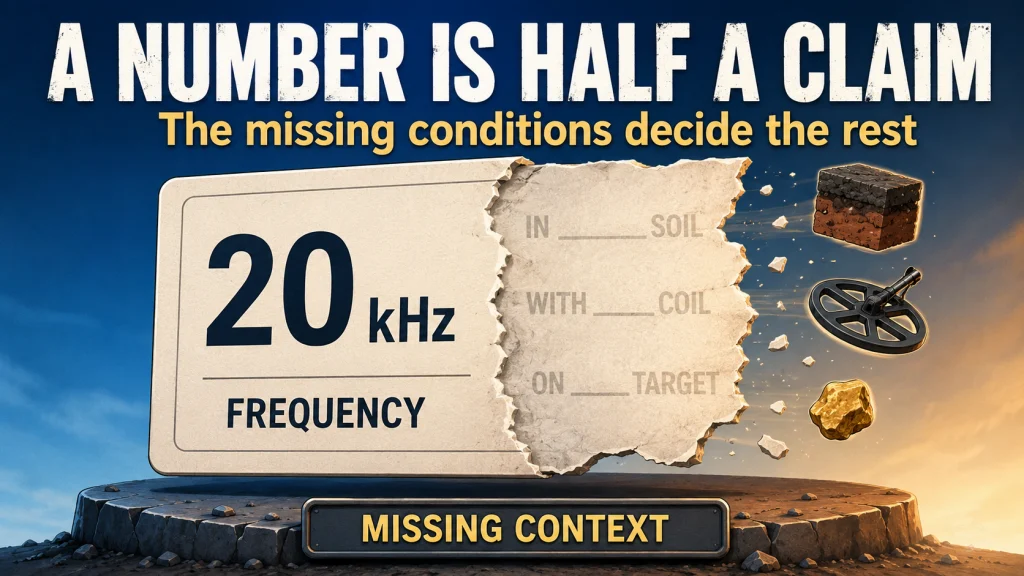
A metal detector product page can list frequency, sensitivity levels, target ID numbers, ground balance options, waterproof ratings, and several search modes without telling you how the machine will behave in your soil. The useful question is not which detector has the longest specification list, but what each control changes and what conditions are missing … Read more

Best Metal Detectors for Gold in Mineralized Soil: When Ground Conditions Change the Buying Decision

Best Metal Detectors For Gold In Mineralized Soil

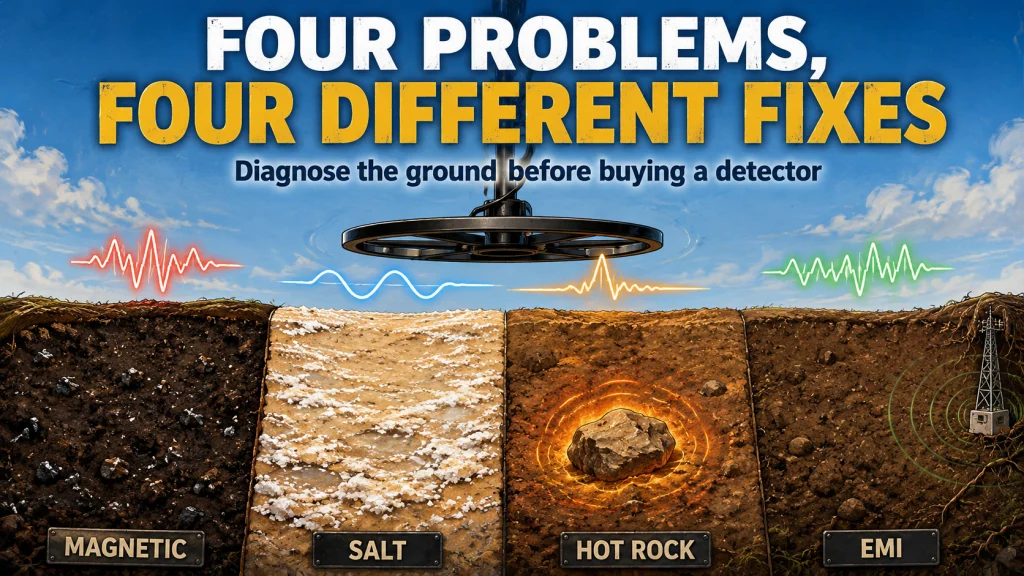
The best metal detectors for gold in mineralized soil are not one universal group because magnetic ground, conductive salt, hot rocks, rapid ground changes, and electromagnetic interference create different problems. Diagnose which condition is masking the target before choosing between a gold-focused pulse induction machine, a newer specialized system, or a capable non-PI detector for … Read more

Best Metal Detectors for Gold Nuggets: Choosing for Target Size, Ground, and Control

Best Metal Detectors For Gold Nuggets

The best metal detectors for gold nuggets are not the machines with the loudest Gold label. The right choice depends on the size of gold you realistically expect, how strongly the ground responds, how much control you can use well, and how long you can carry the detector over rough terrain. A sensitive machine that … Read more

How to Ground Balance a Metal Detector in Real Field Conditions

How To Ground Balance A Metal Detector

Ground balance is useful when the detector is reacting to the soil, but it is not a setting that every machine needs adjusted at every site. First identify whether your detector uses a fixed preset, automatic ground grab, manual adjustment, tracking, or a mode-specific system, then follow the current manual for that exact detector and … Read more

VLF Metal Detector Explained: How It Works, Where It Excels, and Where It Fails

Vlf Metal Detector Explained

A single-frequency VLF detector remains a practical choice because it can combine useful target information, discrimination, manageable weight, and efficient battery use without forcing every beginner into a more complex system. It works by transmitting a continuous electromagnetic field, measuring the target’s returned response, and estimating what that response is likely to represent. The strength … Read more

Metal Detector Settings Guide: Set Up for the Ground, Targets, Trash, and Interference

Metal Detector Settings Guide

A useful metal detector setup starts with the factory baseline, then changes one control at a time for the ground, interference, trash, and targets at the site. There is no universal best setting because search modes, sensitivity scales, ground balance systems, discrimination patterns, tones, and recovery controls behave differently across machines. I use a fixed … Read more